The gladiators were the great stars of the Colosseum. Most were slaves and prisoners trained to fight in the arena before tens of thousands of spectators. There were different types according to their weapons, they fought by set rules, and they entered the stage from the hypogeum, the underground of the Flavian Amphitheatre. Here we tell you what their world was like and how to step today onto the arena where they fought.
The gladiators were professional fighters of the Roman spectacle. Most were slaves, prisoners of war or convicts forced to fight, but there were also free men who enrolled voluntarily in search of money and fame. The best became genuine stars, idolised by the public.
They trained in schools called ludus, under the discipline of a lanista. The most important was the Ludus Magnus, located right next to the Colosseum and connected to it by an underground tunnel, so that the gladiators went from their school to the arena without stepping out onto the street.
Not all of them fought the same way. There were several categories according to weaponry and style, and they usually faced off in complementary pairs so the combat was balanced and spectacular. Here are some of the best known:
Contrary to the image from films, not all combats ended in death. Training a gladiator was expensive and the organisers did not want to lose their investment, so many bouts ended with the loser's surrender. If a gladiator fell, his fate could be decided by the gesture of the public and, above all, of whoever was paying for the games. Even so, death was a real and frequent risk.
Before they began, the gladiators paraded and saluted the box of honour. A referee made sure the rules were respected. The winner received a palm and, sometimes, prizes in cash; the most celebrated could even buy their freedom and receive the rudis, a wooden sword that symbolised their retirement.
The gladiators entered the arena through the Porta Triumphalis and left, alive or dead, through the Porta Libitinaria —the so-called Gate of the Gladiators or "gate of death"— dedicated to Libitina, the goddess of funerals. They were the two ends of the arena's main axis.
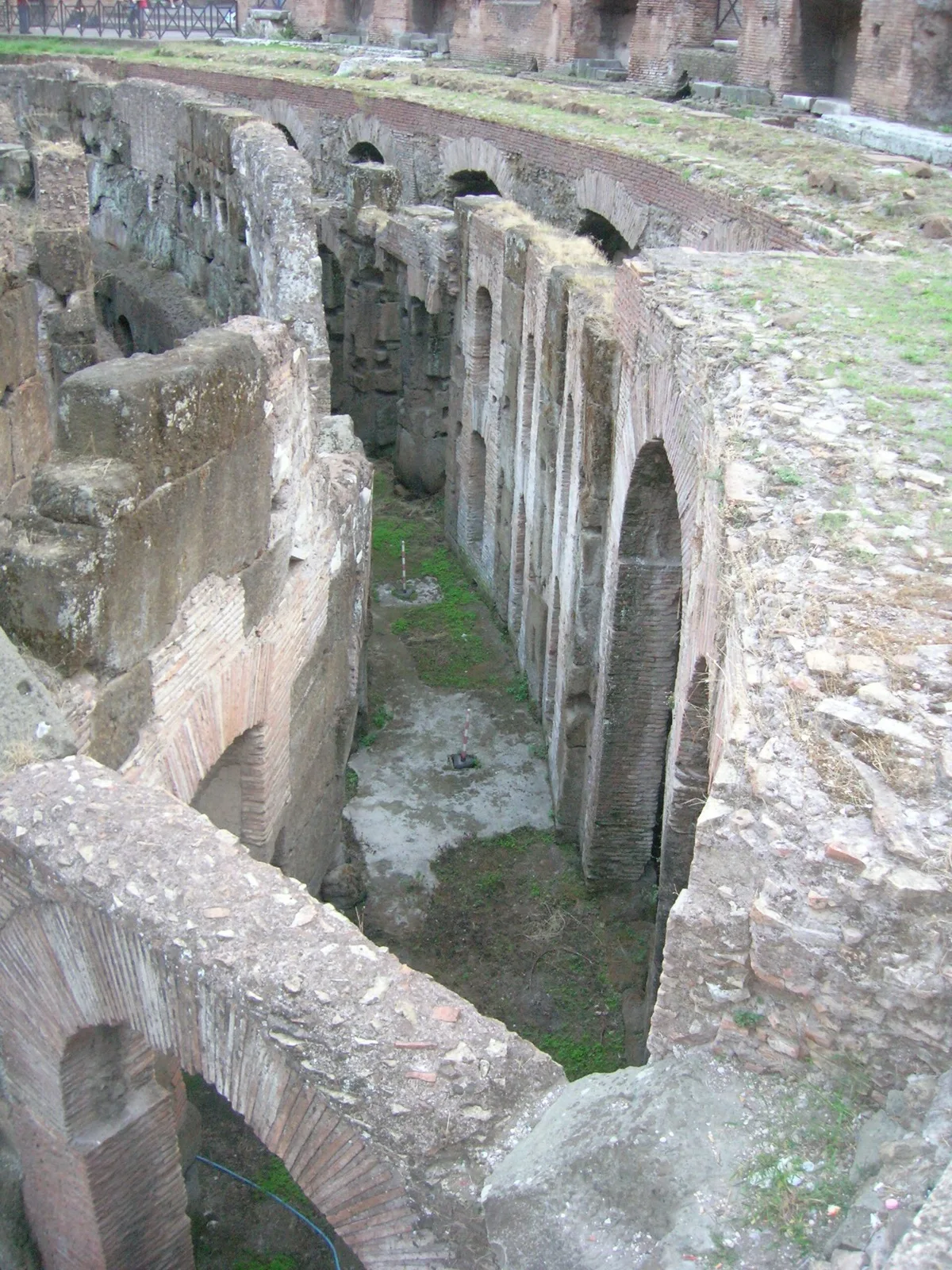
Beneath the floor stretched the hypogeum: two levels of tunnels, cells and cages where gladiators and wild beasts waited. By means of lifts and trapdoors, the animals and fighters appeared suddenly in the arena, as if by magic, to the surprise of the public. Today this underground network is one of the Colosseum's great attractions and can be walked through with the tour that gives access to the Arena.
The tour with access to the Arena takes you to the reconstructed platform over the hypogeum, right where the gladiators fought: an area the standard ticket does not include. With a guide, skip-the-line and limited places that sell out fast.
See the gladiators' Arena tour →
⏳ The Colosseum sells out daily in high season. Book ahead · official skip-the-line tickets.
Fighters who battled in the arena before the public. Most were slaves, prisoners or convicts, but there were also free men who enrolled for money and fame. They trained in schools called ludus, such as the Ludus Magnus, next to the Colosseum and connected to it by a tunnel.
Many categories according to weaponry: the retiarius (net and trident), the secutor and the murmillo (helmet, shield and short sword), the Thracian (small shield and curved sica) or the hoplomachus. They usually faced off in complementary pairs so the combat was balanced.
Not as often as films suggest. Training a gladiator was expensive, so many combats ended with the loser's surrender without anyone dying. The public and the organiser could ask for mercy. Even so, death was a real risk.
The network of tunnels and cells beneath the arena where the gladiators waited and the wild beasts were kept before coming up by lifts and trapdoors. Today it can be seen with the tour that gives access to the Arena and the underground, an area the standard ticket does not include.
Build your day-by-day itinerary —what to see, how long to stay and where to eat— with our free Trip Planner, no signup.
Plan your trip to Rome →